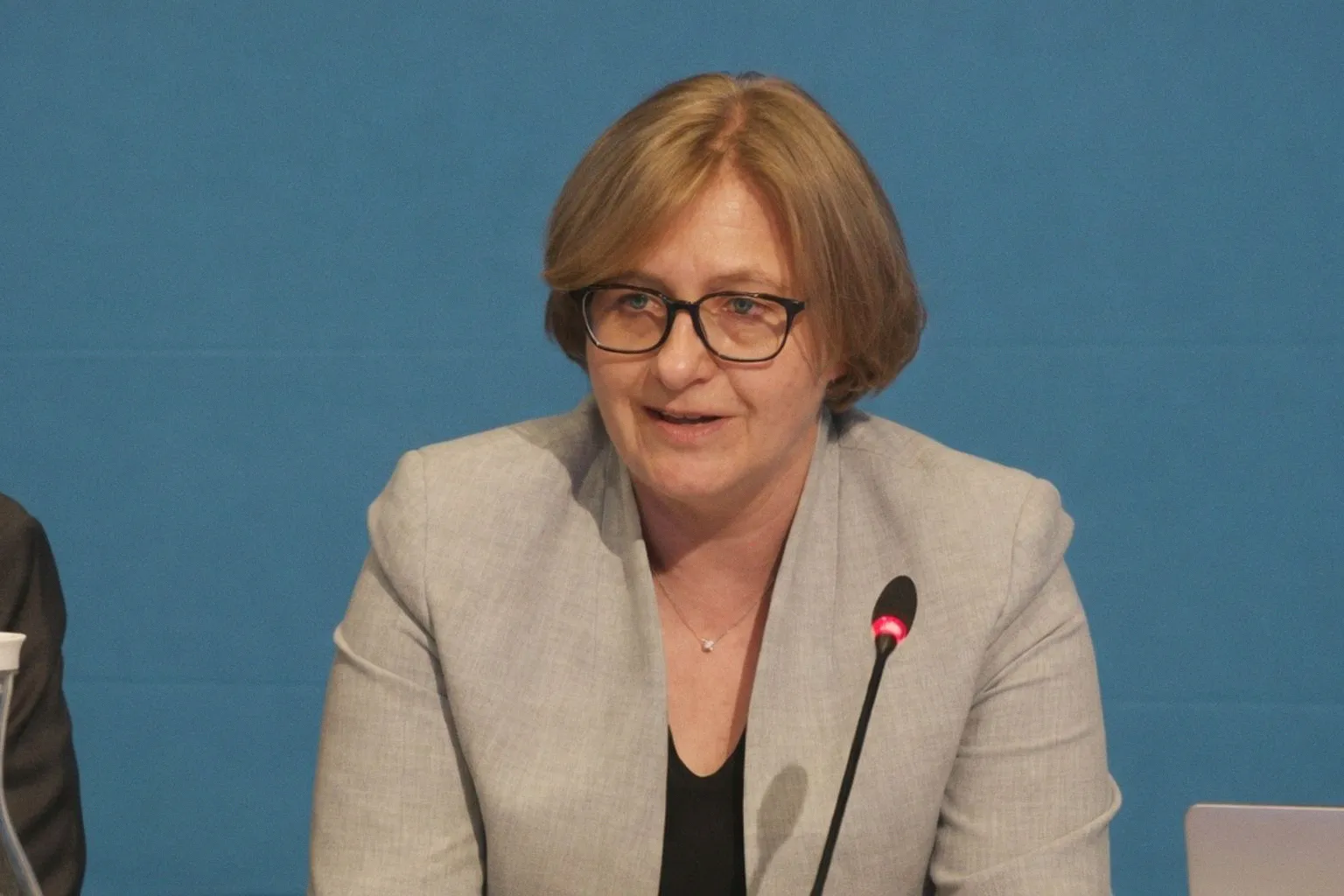
The September session at the agency's White Oak Campus in Silver Spring, Maryland, constitutes the first formal public comment exercise since a presidential executive order issued in April directed acceleration of patient access to psychedelic therapies.
Federal framework and directive origin
The hearing followed an April executive order directing federal agencies to expand patient access to psychedelic treatments. In opening remarks reported by The Microdose, FDA Deputy Center Director for Substance Use and Behavioral Health Marta Sokolowska described the session as part of a "whole of government effort" to evaluate "opportunities, challenges, and public health considerations" associated with psychedelic drug treatment, adding that the agency was present "to listen." The agency has since published a dedicated web page outlining psychedelic development activities, including priority review voucher issuance and collaboration with the Department of Veterans Affairs.
Panel participation extended beyond the Center for Drug Evaluation and Research to include the National Institute on Drug Abuse, the Substance Abuse and Mental Health Services Administration, the Veterans Health Administration, and the Advanced Research Projects Agency for Health. Nearly a dozen federal officials gathered alongside more than 30 in-person public commenters, with approximately 1,000 additional viewers participating virtually.
Commenter composition and procedural variance
Commentators were organized into two sequential waves: the first addressing provider training, credentialing, and patient safety; the second addressing access, data collection methodology, and standardization protocols. Roughly 80 statements were delivered across in-person and virtual formats. Participants included clinic operators administering psilocybin and ketamine protocols, veterans, therapists, nurses, academic faculty, and industry consultants — many disclosing financial interests. Insurance carriers, Indigenous organizations, and several prominent academic researchers were absent from the docket.
The recently appointed CDER Director, Michael Davis, attended in his initial weeks in the role. Davis previously served as Chief Medical Officer at Usona Institute, a nonprofit studying psilocybin in mental health. He co-authored a New England Journal of Medicine commentary with FDA colleagues outlining the agency's emerging regulatory framework prior to the hearing.
Panelists deviated from the published agenda by not posing questions to commenters following their statements — a procedural variance limiting real-time regulatory exchange but expanding the total volume of recorded input. Public commenters were randomly selected from over 200 speaking requests, per FDA Director of Public Engagement Dayle Cristinzio.
Mitigation gaps for clinical monitoring
For clinical practitioners and pharmacovigilance operations, two quantifiable thresholds warrant monitoring. First, whether the agency's eventual guidance codifies the training and credentialing standards raised in the initial comment wave. Second, whether data standardization proposals from the second wave translate into binding post-marketing surveillance requirements. With no FDA-approved psychedelic product on the U.S. market, the regulatory floor remains undefined. Any forthcoming approval must resolve this mitigation gap before commercial distribution proceeds — a compliance prerequisite that defines the variance between current policy and operational readiness.