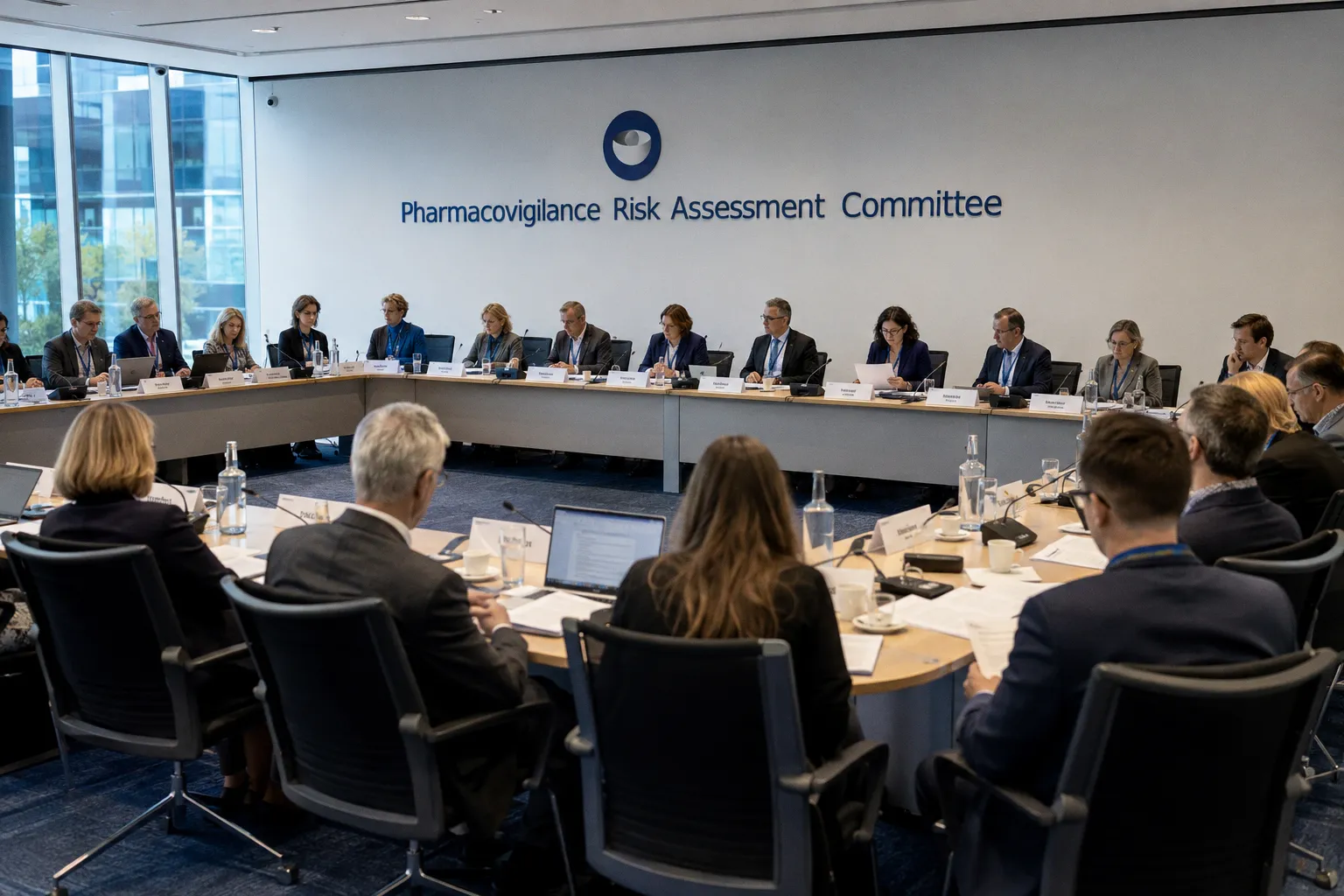
Your operational playbook for safety oversight is due for a reset. The Pharmacovigilance Risk Assessment Committee (PRAC) met at the close of August, and the outcomes demand immediate structural attention from any entity managing European patient risk frameworks.
The central action item: a formal safety review of all injectable iron-containing medicines. This investigation, triggered by concerns over severe hypophosphataemia and hypophosphataemic osteomalacia, directly challenges the adequacy of current risk minimisation measures across the EU. This is a system-wide diagnostic. If your organization administers these therapies, your existing safety protocols and patient monitoring plans are now under official regulatory scrutiny. The bottleneck isn't a lack of data, but the potential inefficiency of legacy controls.
The CAR-T Trial Pause: A Signal for Pipeline Governance
The committee’s week was framed by a separate, concurrent signal from the industry: major players Novartis and Bristol Myers Squibb have paused autoimmune CAR-T trials due to safety concerns. This is not an isolated event but a data point highlighting the inherent risk-calibration challenges in advanced therapy development. For your risk assessment teams, this pause underscores the critical need for adaptive trial oversight mechanisms that can respond to emergent signals without derailing entire development programs.
Long-Term Data and the Mandate for Continual Re-assessment
Amid the caution, Bristol Myers Squibb presented up to five years of data reinforcing the efficacy and safety profile of Camzyos (mavacamten) for obstructive hypertrophic cardiomyopathy at the ESC Congress 2026. This serves as a crucial counterpoint and a strategic lesson. Long-term safety confirmation is not a passive outcome; it is the result of relentless, structured post-marketing surveillance. It operationalizes the principle that a drug’s risk-benefit profile is a living assessment, not a one-time filing.
Your mandate is clear. Audit your current frameworks for injectable iron therapies against the incoming PRAC criteria. Integrate the lessons from the CAR-T trial halts into your pipeline risk governance models. Use the Camzyos example to stress-test the scalability and resilience of your own long-term safety monitoring systems. The regulatory landscape is signaling a demand for more dynamic, evidence-responsive risk management. Your organization’s agility in response will define its operational resilience.
Explore advanced pharmacovigilance and medical consulting services to fortify your compliance and safety architecture.