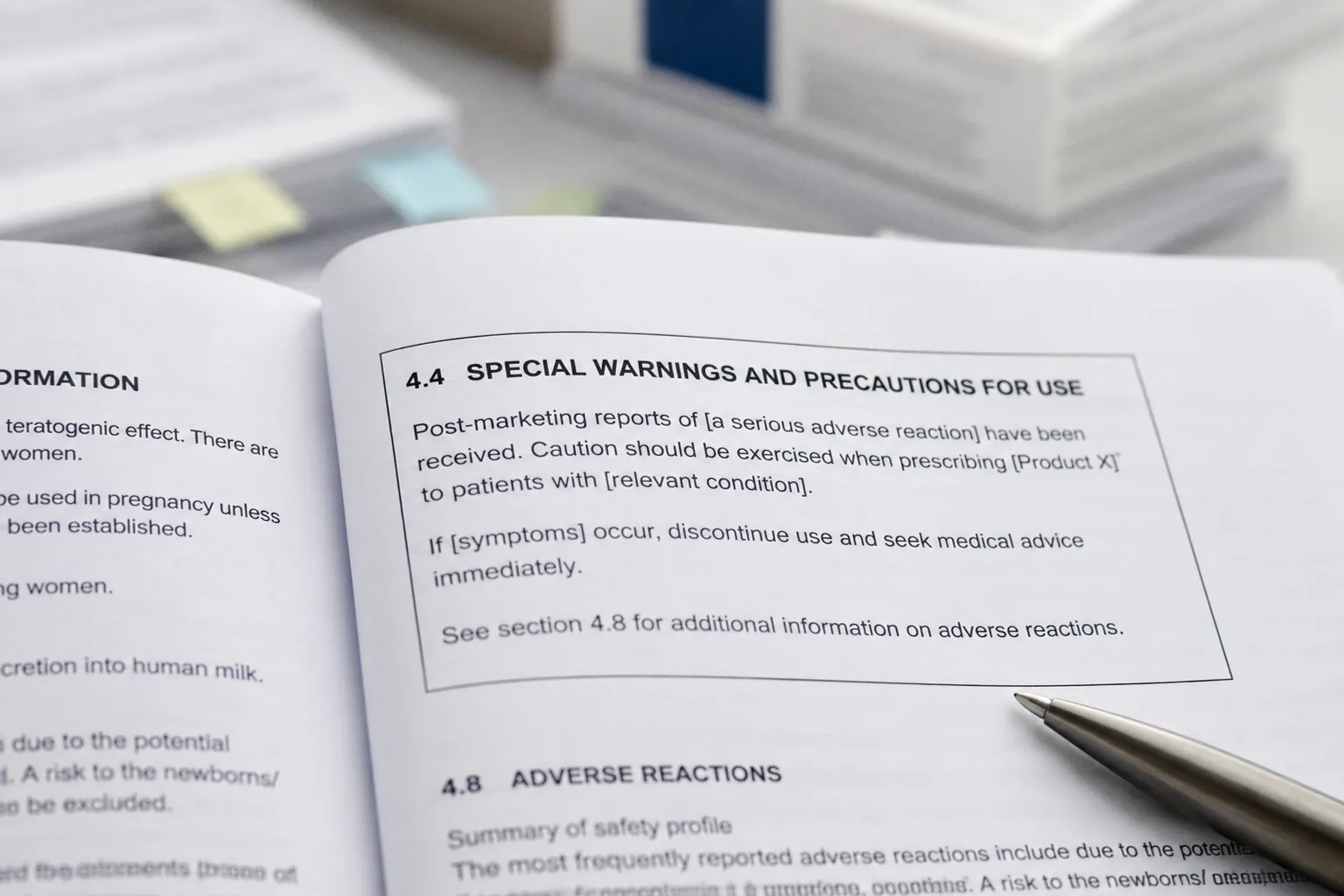
According to DrugsControl.org, this operational shift underscores a broader trend where post-market surveillance is no longer a passive phase but a critical determinant of a product's lifecycle and risk profile.
Regulatory Frameworks Under Revision
The U.S. Food and Drug Administration has initiated a formal consultation to modernize its regulatory framework for botanical drug products. The agency is soliciting feedback until November 3, 2026, to address development challenges for these complex therapeutics. This request for information focuses on research hurdles, study designs for mixtures, and the potential integration of real-world evidence into the approval pathway.
Global Surveillance Capacity Building
Parallel efforts to strengthen post-market systems are reported by the Pan American Health Organization, which highlights a capacity-building initiative in Belize. The program targets the quality and safety surveillance of medicines and vaccines, indicating a global push to standardize vigilance protocols. Such initiatives aim to create more robust infrastructures for detecting and responding to safety signals across diverse healthcare settings.
Risk Assessment and Compliance Threshold
The convergence of these developments points to a single, quantifiable reality: the threshold for acceptable post-market risk is lowering. Regulatory bodies are actively closing gaps between pre-market approval and real-world safety data. For the pharmacovigilance sector, this translates to intensified signal detection obligations and more rapid, mandatory label revisions as the primary mitigation strategy against emerging ADRs. The variance between global surveillance capacities remains a critical vulnerability in the system.